

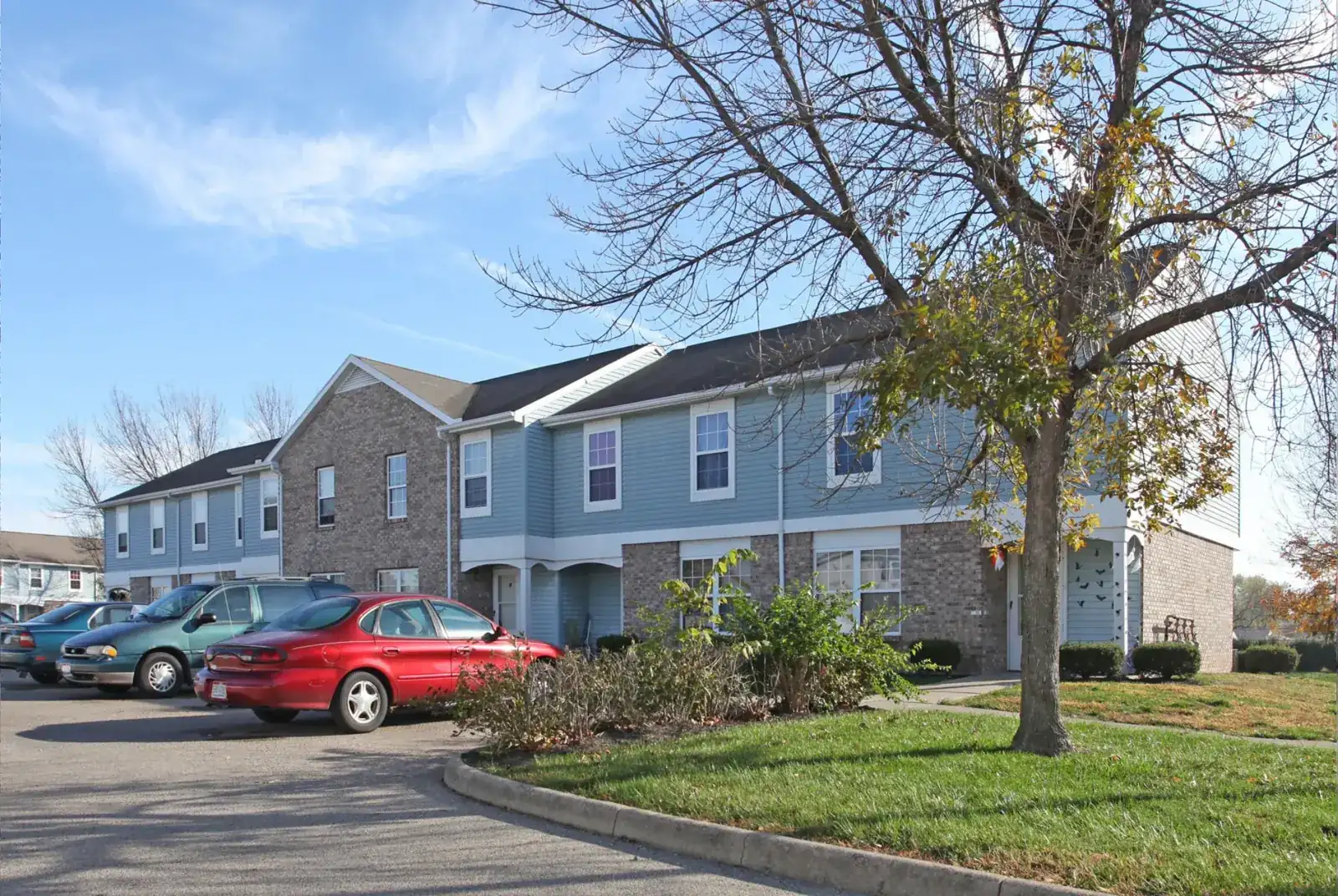
You can sell an apartment building in Ohio without a broker by selling directly to a qualified multifamily buyer, and it can save you the 3% to 6% a broker typically charges. The trade is simple: you give up a marketed auction in exchange for speed, certainty and a lower cost of sale, so the deal only works if the buyer is real, funded and ready to put money at risk early.
This guide is written for owners of Ohio apartment buildings and small multifamily portfolios, roughly 20 units and up. Single-family "sell by owner" advice does not fit a building with tenants, leases, a rent roll and a lender. Below is what actually changes when the property is multifamily, step by step.
When selling without a broker makes sense
Selling direct makes the most sense when speed and certainty matter more to you than squeezing out the last dollar through a wide auction. That is common in a few situations:
- The property needs work. Deferred maintenance, high vacancy or below-market rents shrink the pool of buyers a broker can bring, and many of those buyers re-trade the price after inspections.
- You want a quiet sale. A public listing can unsettle tenants and staff. A direct sale can stay confidential until closing.
- You have a deadline. A 1031 exchange window, a loan maturity, an estate or a partnership split all reward a buyer who can close on a fixed timeline.
- You already know who the buyers are. In smaller Ohio markets, the realistic buyer pool for a 40-unit building is often a handful of local operators.
For background on demand in the state, see Multifamily Demand in Ohio: The Numbers Behind the Surge.
It makes less sense for a stabilized, institutional-quality asset in a hot market, where a broad marketing process can create competition between many bidders.
What you save, and what you give up
| With a broker | Direct to a buyer | |
|---|---|---|
| Commission | Typically 3% to 6% of the price | None |
| Marketing | Offering memorandum, listing, buyer tours | Usually none needed |
| Buyer pool | Wider, including out-of-state buyers | One or a few qualified buyers |
| Confidentiality | Lower, the property is marketed | Higher |
| Timeline | Often months to pick a buyer, then due diligence and closing | Offer can come in days |
| Price discovery | Competitive bidding | You must check the offer yourself |
On a $3 million building, a 3% to 6% commission is $90,000 to $180,000. That is the number to hold any direct offer against.
Step 1: Get your numbers in order
A serious multifamily buyer prices your building from its income, so the first step is the same whether or not you use a broker. Pull together:
- Rent roll: every unit, tenant, lease start and end, current rent, deposit and balance owed.
- Trailing 12 months (T12) of income and expenses, plus the last two years of operating statements.
- Utility bills and who pays what.
- Capital work done in recent years, with dates and costs (roofs, boilers, parking, units turned).
- Service contracts (laundry, trash, landscaping, internet) and whether they can be ended.
- Existing loan terms, including any prepayment penalty.
Clean books do two things: they speed up due diligence, and they make it harder for a buyer to justify cutting the price later.
Step 2: Know what your building is worth
Without a broker's opinion of value, you have to sanity check the price yourself. The two quick tools are:
- Cap rate: net operating income (income minus operating expenses, before debt) divided by price. Ask local operators, lenders or an appraiser what cap rates similar buildings in your area are trading at.
- Price per unit: compare against recent sales of similar buildings, same vintage and condition, in the same town or submarket. Your county auditor's website lists recorded sale prices.
If an offer is well below both measures, ask the buyer to show you how they got there. A good buyer will walk you through their underwriting.
Step 3: Find a buyer who can actually close
This is where most direct sales go wrong. Plenty of people will make an offer. Fewer have the money, the lender relationships and the operating team to close. Before you spend time with a buyer, ask:
- Are you the buyer, or are you assigning the contract? A wholesaler ties up your building and tries to resell the contract. A direct buyer closes in its own name.
- How much earnest money goes hard, and when? Money that becomes non-refundable early is the best proof a buyer intends to close.
- How long is due diligence? Two to four weeks is reasonable for an experienced buyer with its own inspection team.
- How are you financing it, and have you closed similar deals? Ask for examples of buildings they own in Ohio.
- Will you buy as-is? If the building needs work, a buyer who plans to renovate should not need you to fix it first.
At Real Estate Alpha, for example, we buy multifamily properties in Western and Central Ohio as a direct buyer, not a wholesaler. Our standard terms are a 1% non-refundable deposit within 7 days of signing our letter of intent, due diligence in 19 days or less by our in-house team, and closing in about 30 days after that. Whoever you sell to, those are the kinds of terms to ask for in writing.
Step 4: The letter of intent and the purchase agreement
Most multifamily deals start with a short letter of intent (LOI) that sets out price, deposit, due diligence period, closing date and any contingencies. It is usually non-binding, but it sets the frame for the purchase and sale agreement (PSA) that follows.
Read the PSA for:
- When the deposit goes hard (becomes non-refundable).
- Financing contingency: can the buyer walk if the loan falls through?
- Due diligence scope: what the buyer can inspect and how long they have.
- Prorations: how rents, deposits, taxes and utilities are split at closing.
- Assignment: whether the buyer can assign the contract to someone else.
Selling without a broker does not mean selling without help. Most owners still hire an Ohio real estate attorney to review the PSA and handle closing. The fee is usually a small fraction of a commission.
Step 5: Due diligence with tenants in place
Expect the buyer to walk units, review leases and confirm the rent roll. To keep it smooth:
- Give tenants proper notice before unit entries, as your leases and Ohio law require.
- Have leases, the rent roll and the T12 ready in one shared folder.
- Be upfront about known issues. A problem found late is the most common reason a price gets renegotiated.
Many buyers will also ask for tenant estoppel certificates, short signed statements from tenants confirming their rent and deposit, especially in larger buildings.
Step 6: Closing in Ohio
A title company or attorney handles closing. On the day, ownership transfers, security deposits move to the buyer, rents are prorated and you receive your proceeds. Ohio charges a real property conveyance fee when a deed is recorded; the rate varies by county, so check with your county auditor or your title company for the exact amount on your sale.
After closing, the buyer should send a written notice to tenants with new payment and contact details, so nothing is missed in the first month.
A quick checklist before you sign
- Rent roll, T12 and leases ready
- Value checked by cap rate and price per unit
- Buyer confirmed as a direct buyer, not an assignor
- Non-refundable deposit amount and date in writing
- Due diligence and closing dates in writing
- Attorney has reviewed the purchase agreement
- Plan for 1031 exchange or taxes discussed with your CPA
Frequently asked questions
Is it legal to sell an apartment building in Ohio without a broker? Yes. Ohio's licensing rules apply to people who sell property for others. An owner can sell their own building directly to a buyer.
How much does a broker charge to sell an apartment building? Commissions on multifamily sales commonly run 3% to 6% of the sale price, depending on the size of the deal and the broker.
How fast can a direct sale close? With a funded buyer, clean records and no financing surprises, many deals close within 45 to 60 days of a signed letter of intent.
Will I get a lower price selling direct? Not necessarily. A direct buyer avoids marketing time and you avoid the commission, so your net can be similar or better. Check any offer against local cap rates and price per unit.
Do I need to fix the building before selling? Not if the buyer buys as-is. Buyers who renovate, including Real Estate Alpha, usually prefer to do the work themselves.
Thinking about selling an Ohio apartment building?
Real Estate Alpha is based in Piqua, Ohio, and has bought, renovated and managed apartment communities across Ohio since 2016. See our portfolio, read how our sales work, or tell us about your property for a no-obligation offer.